I learned how to draw Celtic knots from a video that can be found [here](https://www.youtube.com/watch?v=_O_0yegDdIw).
Below are some figures showing the basic procedure.
Drawing by Hand (Rectangular Grids)
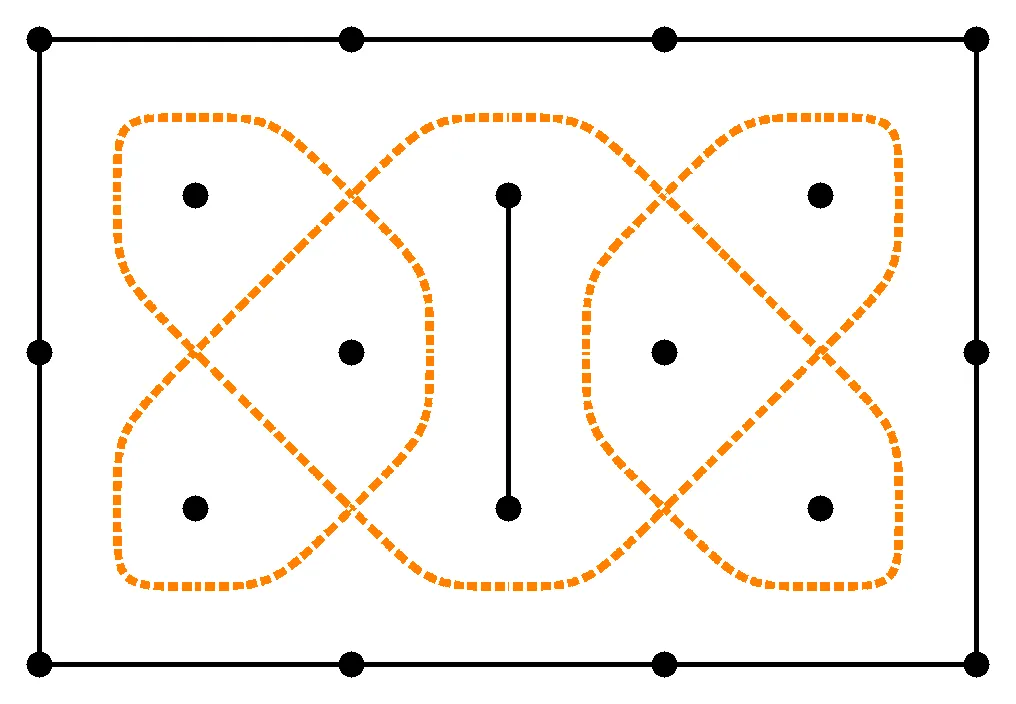
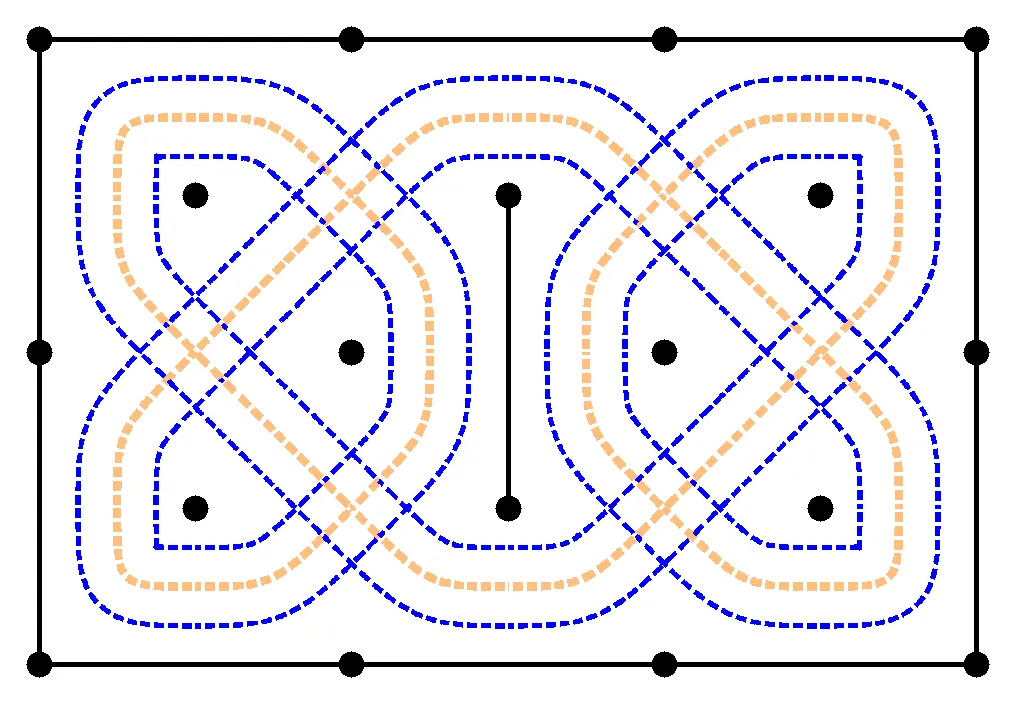
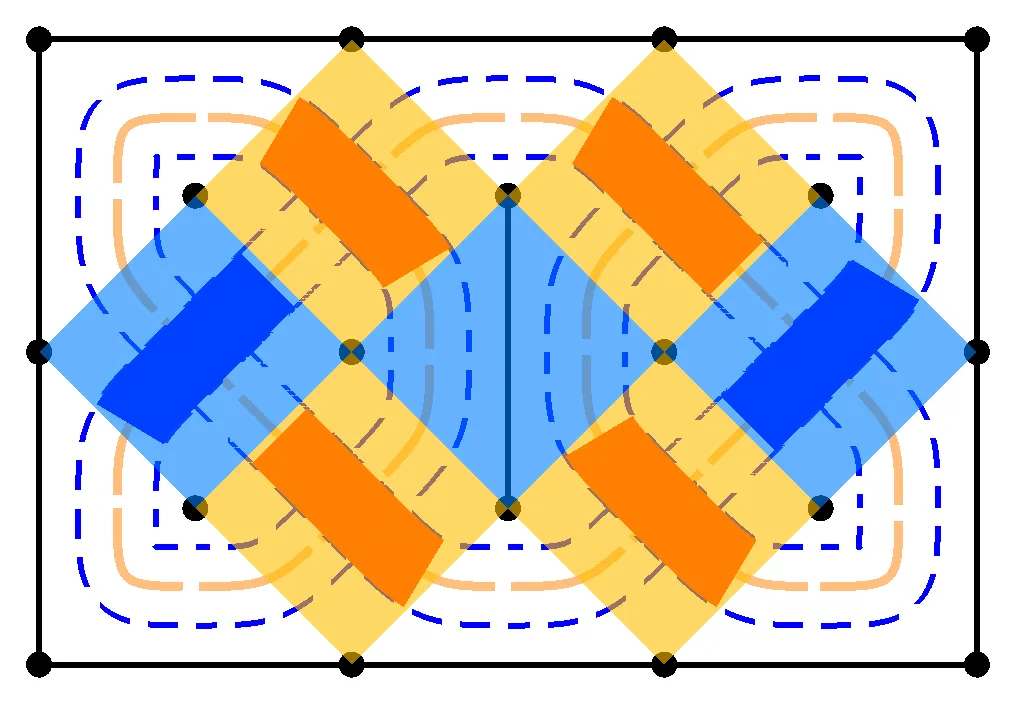
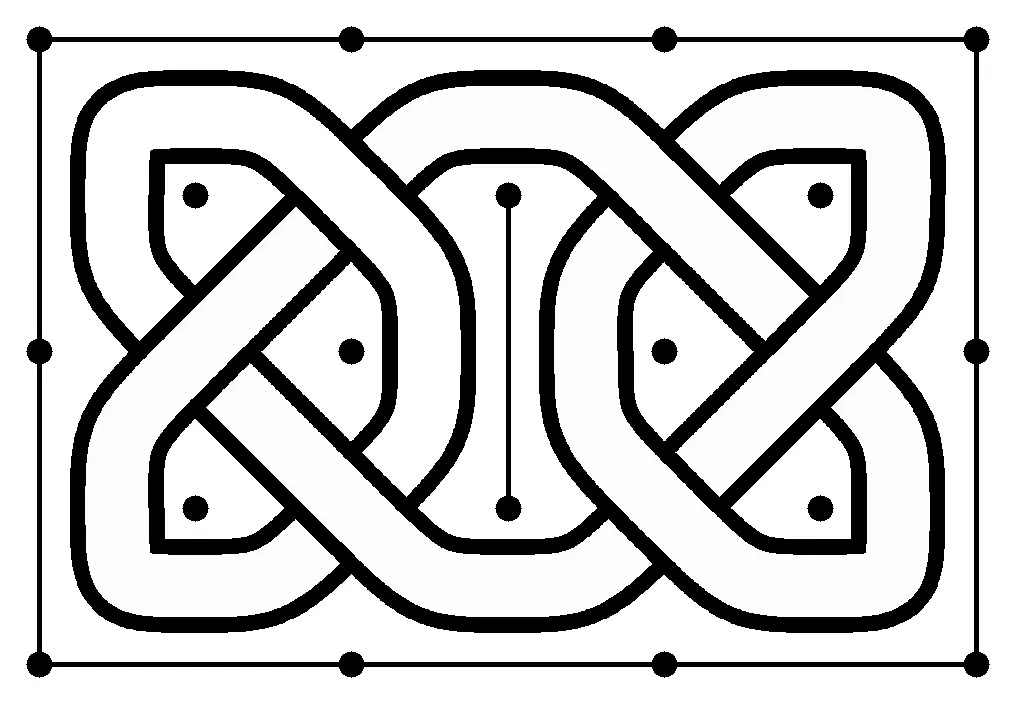
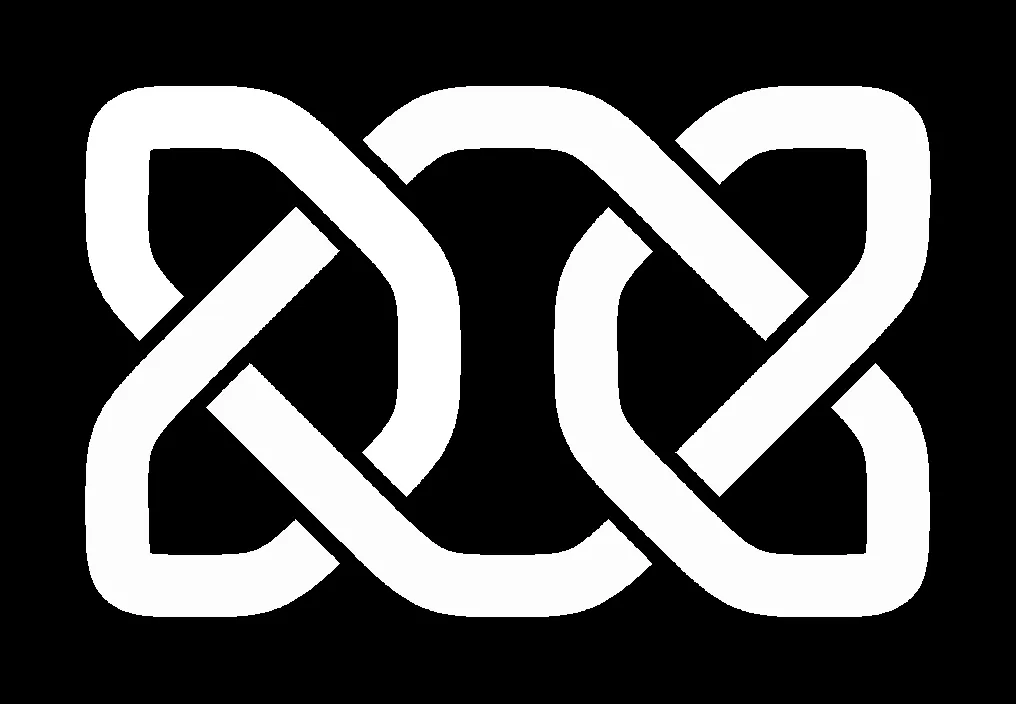
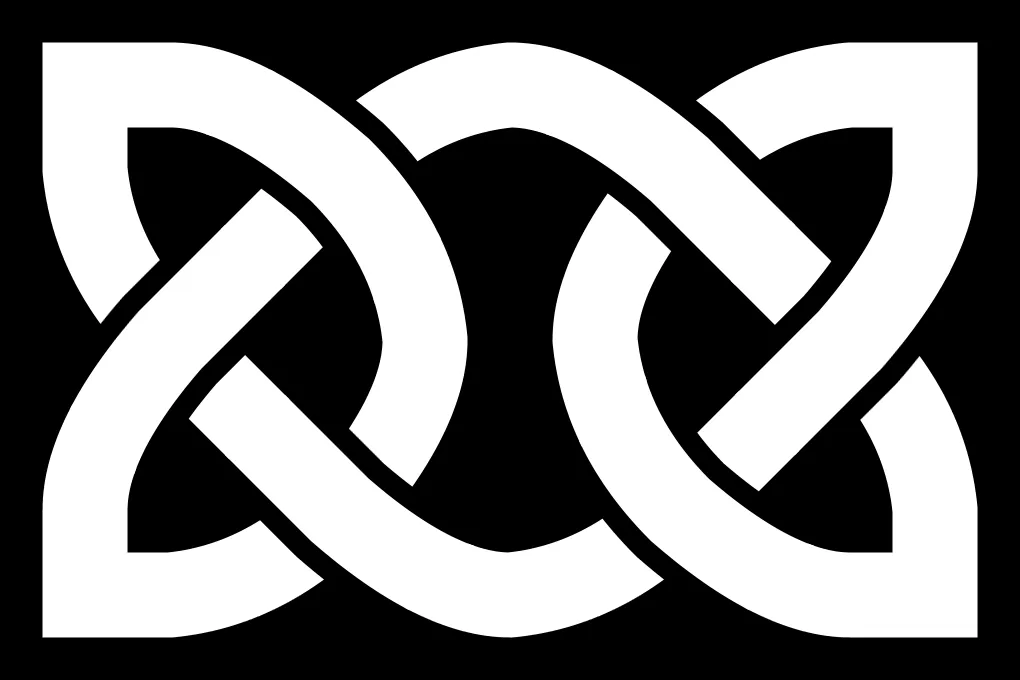
The starting layout of the knot, consisting of a lattice of dots, a border, and an internal boundary, or “gate”. Note that the outer border is essentially an enclosure of “gates”.Follow the geometry of the knot and plan out the path(s) that the strand(s) will take as directed by the gates. The strand typically 'travels' diagonally between the dots. Gates cause the strand to deflect and briefly travel horizontally or vertically.In this case, the knot will be composed of a single strand. The full path is shown here.Give the strand thickness by The negative space can be completely filled in, hiding the dot lattice and gates.
Styling
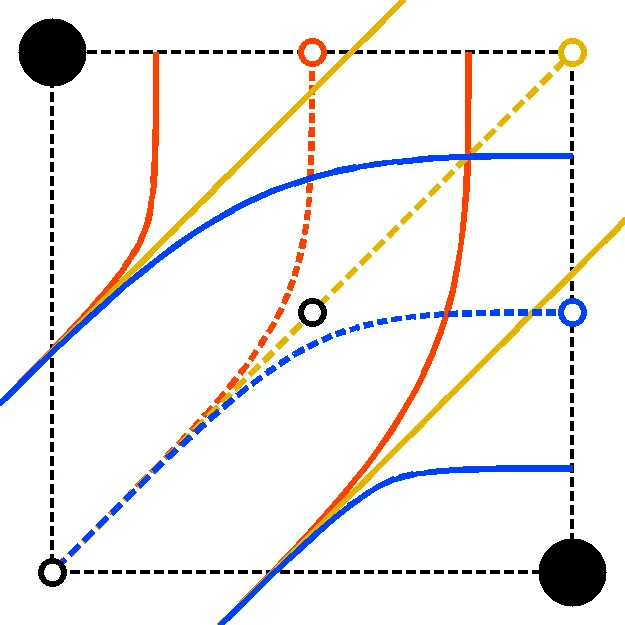
The appearance of Celtic knots can vary significantly with different styling of the strange thickness and curvature.
Free-Form Knots
One way of drawing free-form Celtic knots and maintaining smoothness of the strand is as follows:
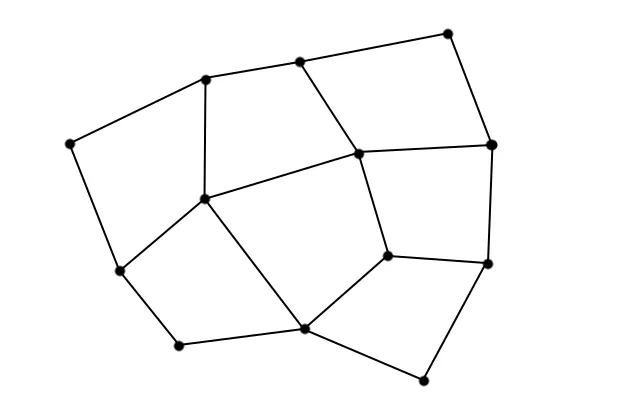
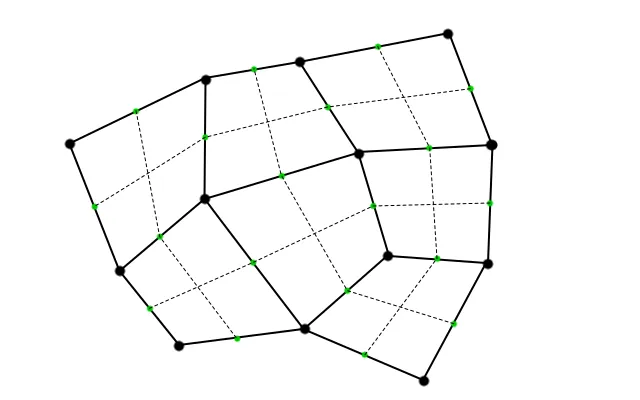
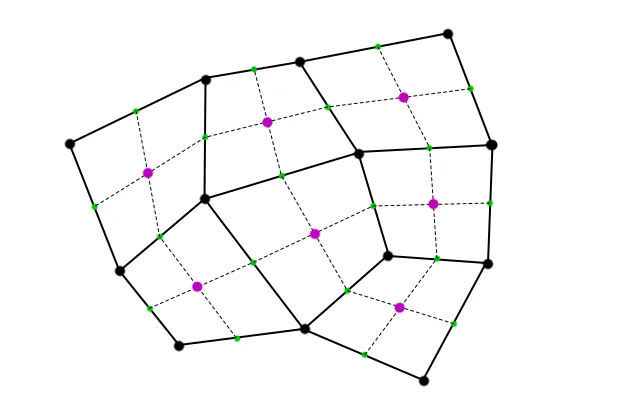
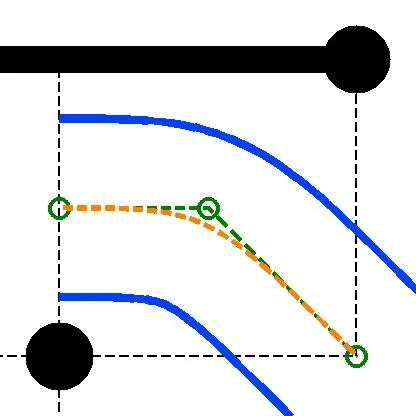
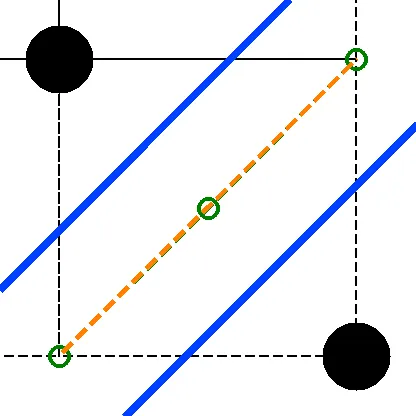
We start with a mesh of quads.We find the center of each edge (green points) and connect center points of opposite sides (dashed lines).We mark the intersections of these lines, yielding ‘centers’ (purple points) of the quads.We connect the four vertices of each quad to the new center node of each quad.We generate a spline of Bezier curves, where each Bezier curve spans two of the original quads, going from the center point of one quad to another (purple), with the center point (green) of the incident edge acting as an intermediate control point.Adjoining the Bezier curves yields a smooth spline by construction and placement of the control points.